Blended learning
In recent years, Lycée Josy Barthel Mamer has introduced blended learning, an educational approach that combines in-person and distance learning in the 8th and 9th grade classes. This learning method allows students to work digitally, collaboratively, and independently while mastering the specific content of each subject. This approach not only encourages them to become independent and responsible citizens, but also teaches them the essential skills and soft skills needed to meet the daily challenges of the 21st century that they will face in their academic and professional careers.
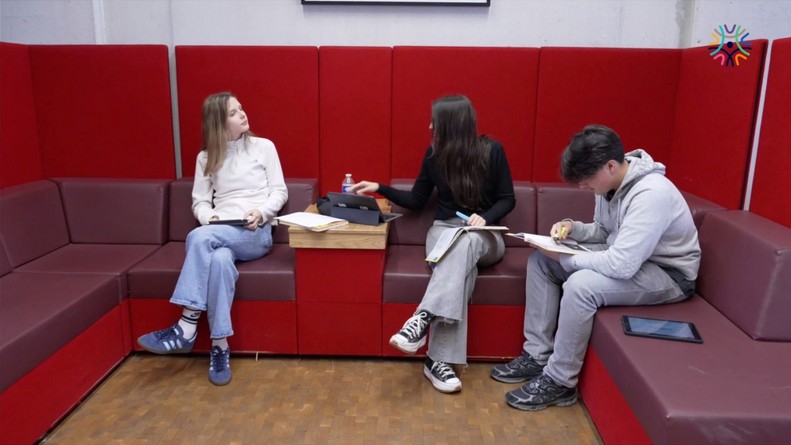
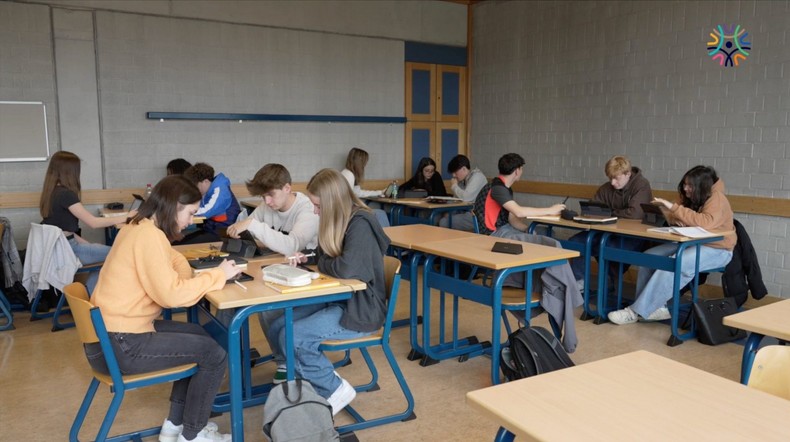
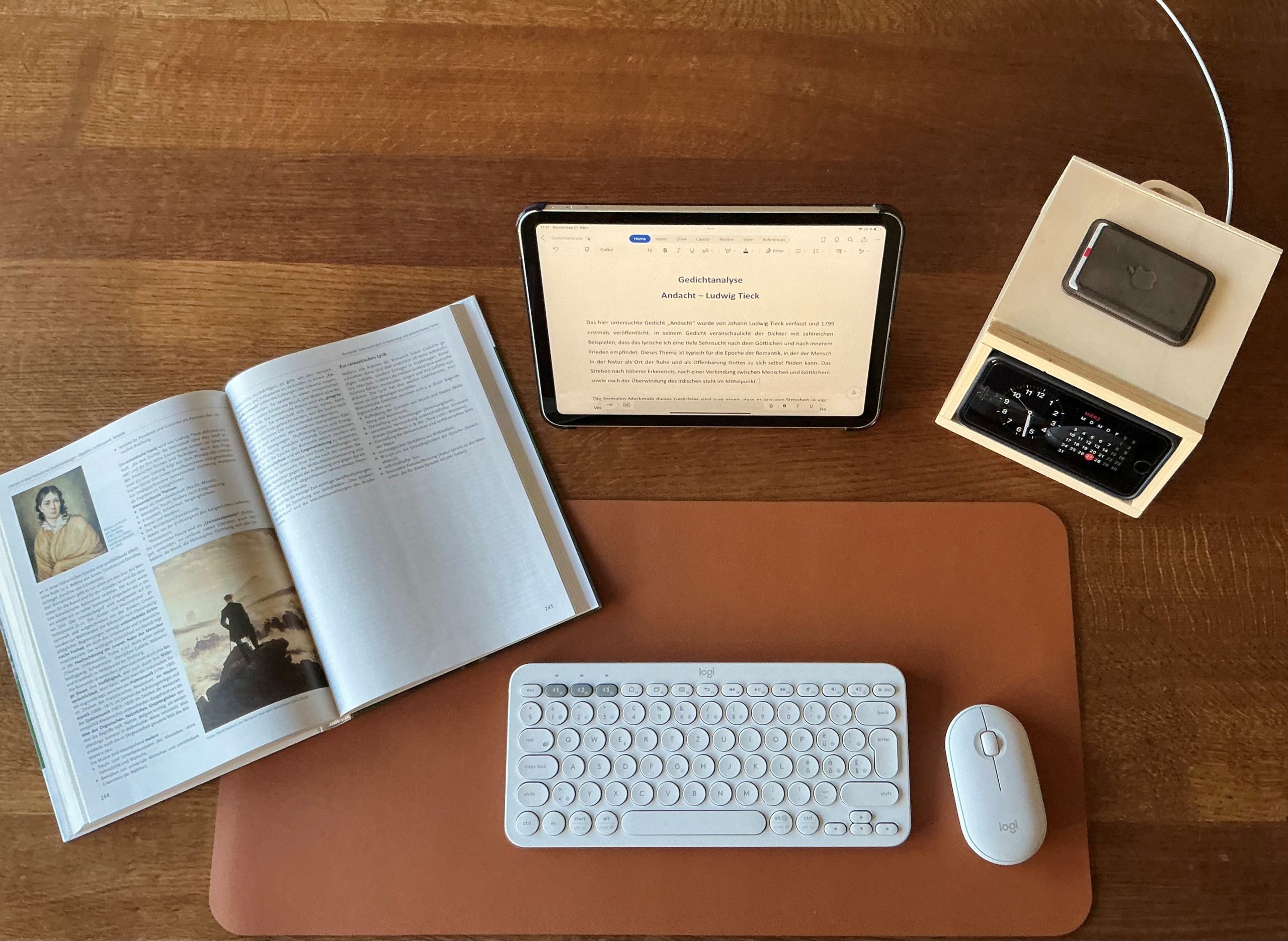
In this project, we are guided by three fundamental principles. First, we are convinced that learning is not limited to a single week spent in a classroom. Furthermore, we believe that fostering our students’ independence is the best way to address heterogeneity. Indeed, in our view, autonomy is the prerequisite for authentic differentiation and personalization of instruction. To foster our students’ personal responsibility, we also aim for an open educational approach that students can shape through their willingness to learn and their intrinsic motivation: if they demonstrate that they work reliably, with motivation, and effectively, they can gradually gain more freedom—until they are able to work from home one day a week
At LJBM, independence and personal responsibility are encouraged starting in 7th and 6th grade through instruction in study skills. Starting in 5th grade, students can work more freely on broader topics and tasks within their respective subjects during one morning of the school day, and increasingly decide when, in what learning environment, and in what manner (for example, individually, in pairs, or in groups) they wish to tackle a specific topic. This greater flexibility serves as a motivator to move forward.
In 4eC, independent learning at school is still encouraged during the first quarter, before students are able, in the second quarter, to work from home one day a week. This assumes that students have developed sufficient confidence in using digital tools and engaging in more independent and collaborative forms of learning. If this is not the case, students will continue to come to school to complete the same tasks as those who are homeschooling. This allows teachers to monitor these students’ progress so that they, too, can acquire the necessary skills for homeschooling in the third term.
In 9th grade, generally speaking, all students have acquired the necessary skills and can work from home one day a week at certain times during the school year.
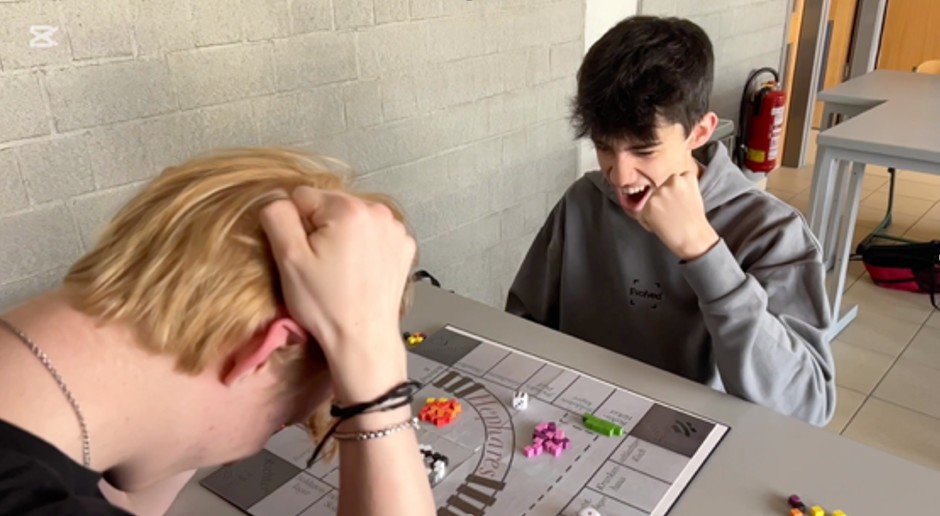
In addition, during this school year, they are working on a larger project (for example, as part of the Young Journalist Contest or a partnership with the Red Cross and LIST focused on developing an educational game on international humanitarian law), where they can demonstrate their independence, their ability to work collaboratively and organize a work process, and their creativity in a self-directed manner.